
Animal welfare
Animal Welfare and Responsible Care
Canine welfare includes physical health, emotional well-being, appropriate social interaction, and responsible everyday care.
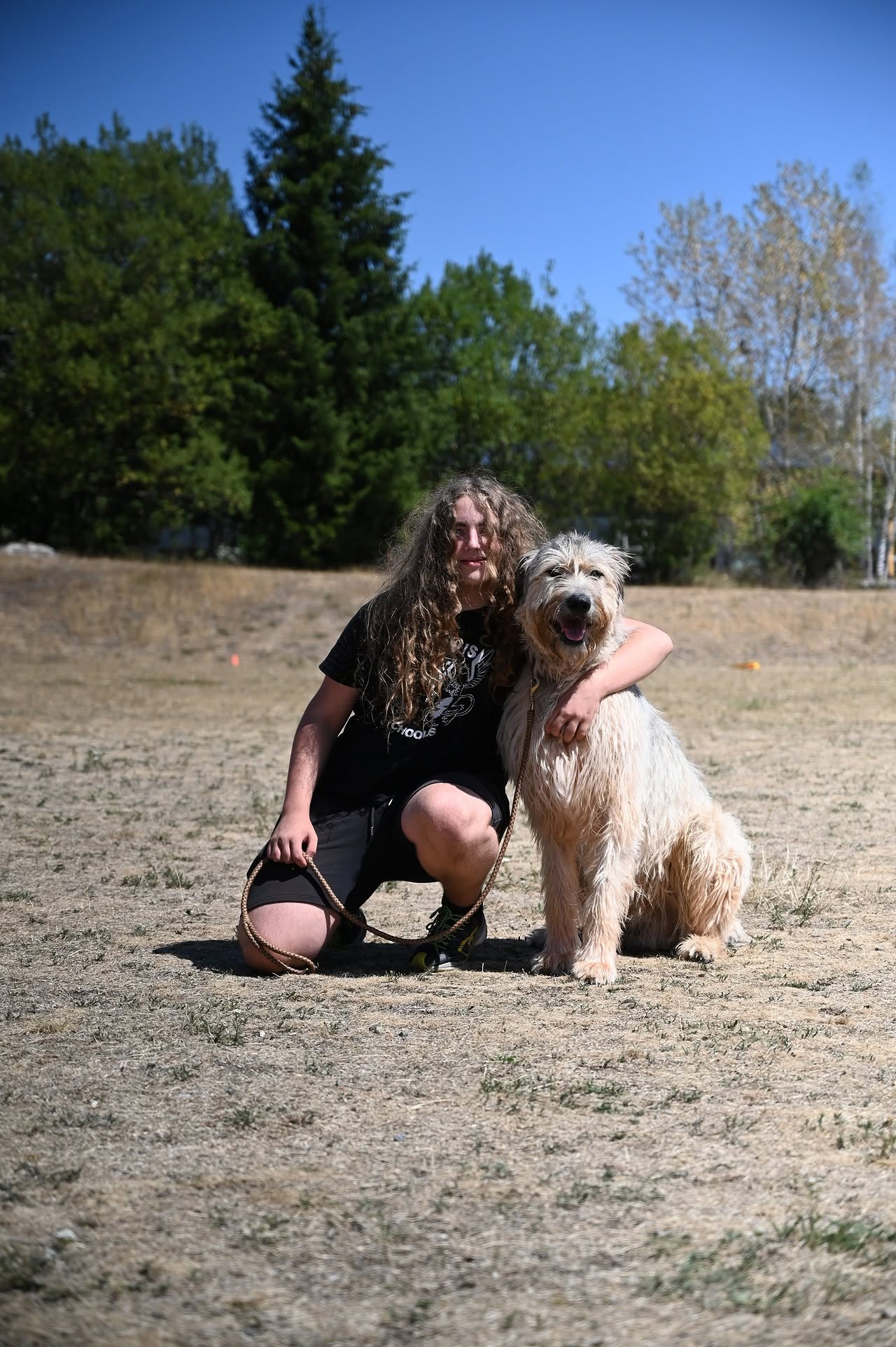
The importance of humane dog care
Dogs depend on people for nearly every aspect of their lives. Humane care means meeting their needs consistently, kindly and with respect for their individual nature.
Understanding the physical needs of dogs
Quality nutrition, fresh water, regular exercise, rest, grooming and protection from extreme weather form the foundation of a healthy life.
Mental stimulation and enrichment
Dogs need to use their nose, brain and body. Training games, scent work, puzzle feeding and new, positive experiences prevent boredom and frustration.
Responsible veterinary care
Regular check-ups, vaccinations, parasite prevention and prompt attention to signs of illness or pain are part of every owner's responsibility.
Safe and appropriate living environments
A dog needs a safe, clean, comfortable space, appropriate shelter and enough contact with its people.
Understanding canine stress
Yawning, lip licking, turning away, a lowered tail or stiff body can signal discomfort. Recognizing these signs early helps prevent escalation.
Respectful training methods
Training should build confidence and cooperation. Fear, pain or intimidation damage trust and are not compatible with good welfare.
Preventing neglect and mistreatment
Neglect can be gradual and unintentional. Awareness, education and asking for help early protect dogs from harm.
Responsible dog ownership
Owning a dog is a long-term commitment of time, care and attention throughout the dog's whole life.